Related

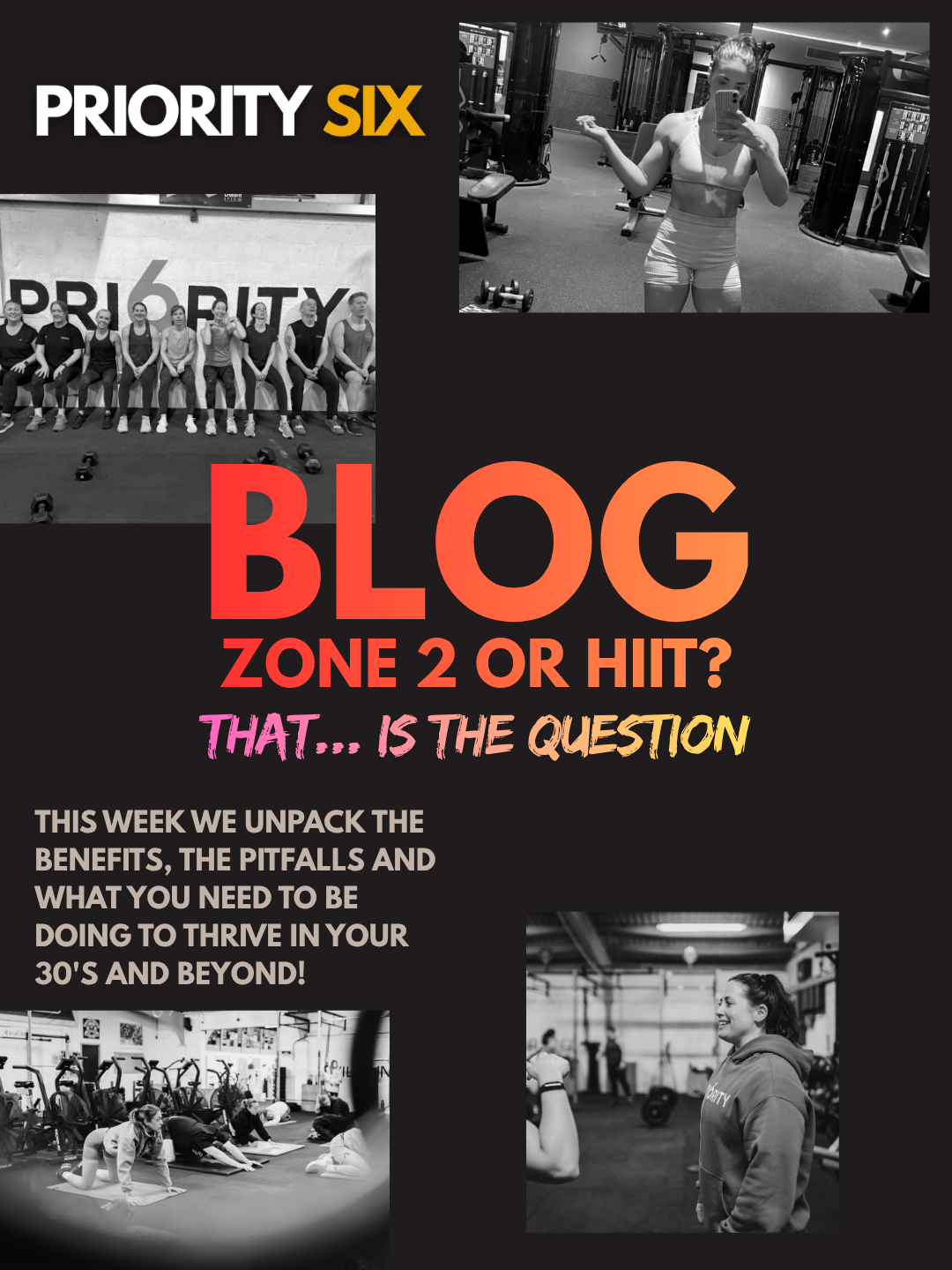
You Have Been Sold the Wrong Cardio for the Wrong Reason... Learn What You Need To Be Doing...
At some point in the last decade, fitness content split into two camps and started shouting at each other. One side said HIIT was the only cardio worth doing, that the fat-burning zone was a myth, and that long slow sessions were a waste of time. The other side said HIIT was unsustainable, that Zone 2 was where real fat loss happened, and that sprinting yourself into exhaustion was missing the point.
Both camps were selling something. Both camps were also partially right and partially wrong. And the members who were caught in the middle, choosing between approaches based on whichever piece of content they happened to see that week, were the ones losing time and momentum to a debate that has a research answer.
Here is the honest version.
Here's What Each Approach Actually Does...
Zone 2 cardio is sustained aerobic work at a moderate intensity, typically 60 to 70 percent of your maximum heart rate. At this intensity, your body uses a higher proportion of fat as fuel. This is the physiological basis of the "fat-burning zone" claim, and it is real. The percentage of energy coming from fat is higher during low-intensity work than during high-intensity work.
HIIT (high-intensity interval training) works differently. At higher intensities, your body shifts toward carbohydrate as its primary fuel. But the total energy expenditure per unit of time is higher. A 25-minute HIIT session burns more total calories than a 25-minute Zone 2 session. It also produces a modest post-exercise increase in calorie burn as your body recovers, though this effect is often overstated.
So Zone 2 burns a higher percentage of fat per minute. HIIT burns more calories per minute overall. These facts are both true and they explain why both camps have an argument to make.
What About The Research?
A meta-analysis of 29 studies comparing HIIT and moderate-intensity continuous cardio found that when total effort is equated (when both groups are doing a comparable amount of overall work), the fat loss outcomes are similar. Neither approach has a large, consistent advantage over the other for reducing total body fat when the training loads are matched.
HIIT does show a modest edge in some populations for waist circumference reduction and percentage body fat. This is relevant because visceral fat, the fat stored around the organs that drives most of the health risk associated with obesity, appears to respond somewhat favourably to higher-intensity work. But the difference is not large enough to make HIIT categorically superior for everyone.
The more important variable, which the meta-analysis cannot fully account for, is adherence. A training approach you abandon after six weeks because it is too demanding, too time-consuming, or too unpleasant produces less fat loss than a less optimal approach you sustain for six months.
So Which Should I Choose?
Choose HIIT if: you are time-limited, you enjoy higher-intensity work, you can recover from it adequately alongside your resistance training, and you can sustain it across weeks and months without burning out.
Choose Zone 2 if: you have more time available, you find sustained moderate-intensity work manageable and even enjoyable, you are doing a significant amount of resistance training and need to manage recovery, or you are building an aerobic base from a lower fitness starting point.
Consider doing both if: you are training three to five times per week and have room for more than one cardio session. The two approaches develop different energy systems and have different recovery costs. A week that includes one Zone 2 session and one HIIT session covers more physiological ground than a week of only one or the other.
The worst outcome in this debate is spending months doing the wrong type of cardio for you because fitness content told you the other type was cheating. The research shows they are comparable. Your job is to choose the one, or the combination, that you will actually do.
At Priority 6, we build cardio into training plans based on each member's schedule, recovery capacity, and what they will sustain. Come and talk to us if you have been spinning your wheels on this one.
Book a free No Sweat Intro at priority6.co.uk to talk through what that looks like for you specifically. Click here
Priority 6 | Abingdon's longest-standing independent gym | Crossfit, Weight Loss, Fat Loss, Strength, Performance, Longevity www.priority6.co.uk | @priority6 | ollie@priority6.co.uk
About the Author
Ollie Campbell is a British strength and conditioning coach, specialist fat loss coach, author of Build The Chain, nutrition coach, and founder of Priority 6 in Abingdon, Oxfordshire.
.png)
.png)
.png)
.png)